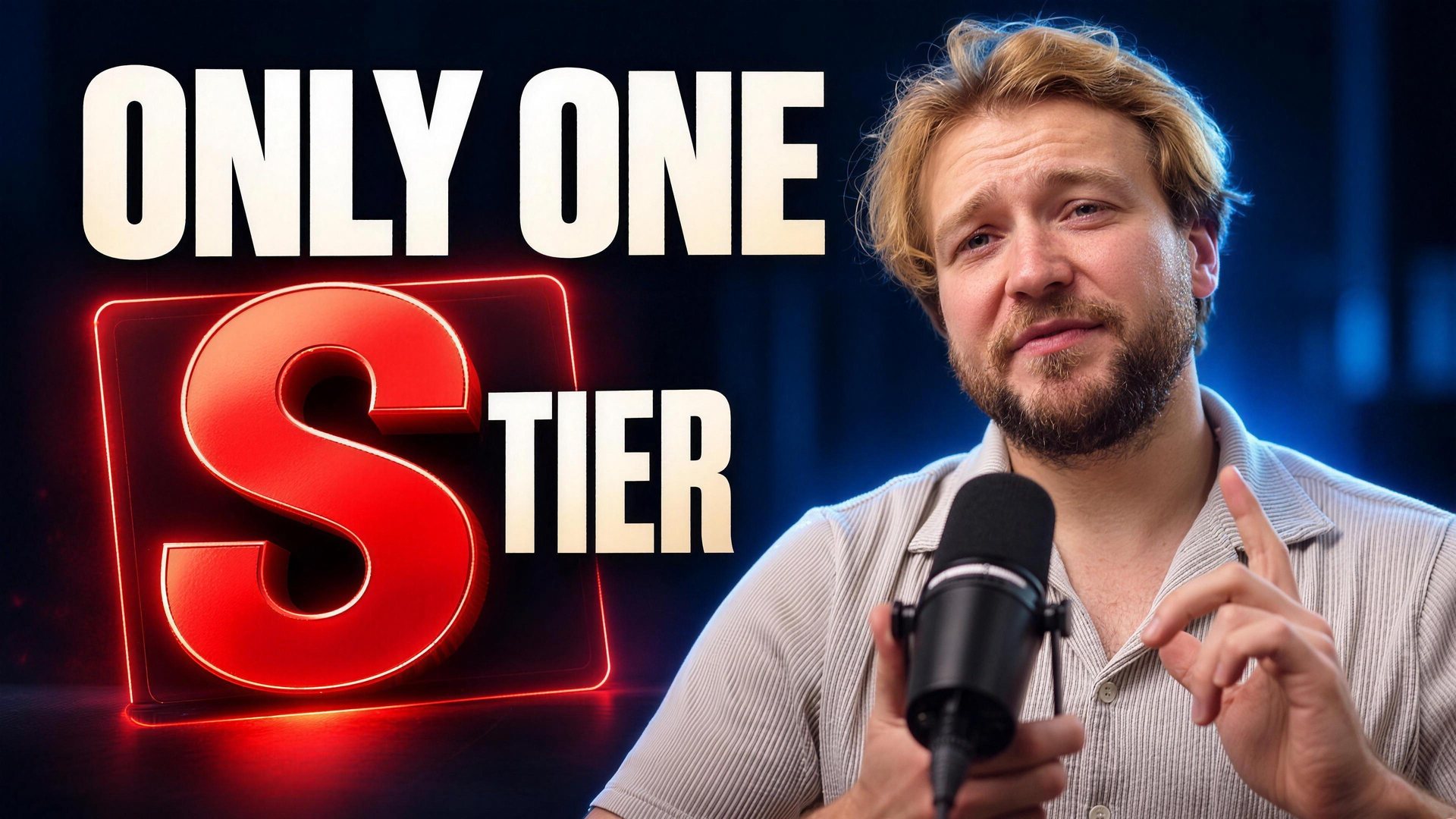
Every founder hears the same advice now: build a personal brand, post video, show up on YouTube. The advice is right. The problem is time. Most founders who try it hit one of three walls:
- They record themselves, and the picture and sound don't look like the brand they're building.
- They hire a videographer, pay a lot, sit down in front of the camera and realize they don't know what to say. The money is spent and the video never happens.
- They hand raw footage to an editor and get back something that doesn't sound like them.
Most give up after a few tries.
We believe two things. Founder content is worth doing. And it should run on autopilot, without pulling the founder away from the company. I use this process for my own YouTube channel, and we use it for the founders we work with. I'm also a co-founder of NodeMori, an AI startup for game studios, where I lead go-to-market, so its videos go through the same process. We test every step on our own content before we offer it to clients.
1. Capture ideas when they happen
Good ideas rarely show up in a scheduled "content session". They show up on a walk, after a call or between meetings. So the founder records a voice note: a rough thought, a story or an opinion, a few minutes long. It doesn't need any structure.
2. Turn the notes into a script built for YouTube
We turn those notes into a script, and not just any structure, but one built for YouTube: a title and thumbnail idea, a hook, a proper introduction of who's talking and what the video is about, and a flow that keeps people watching to the end. We use AI tools with our own packaging rules to get a first draft fast, then a person edits it so it still sounds like the founder. The ideas and the voice stay theirs.
3. Walk into the studio and read
Our studio at 855 Folsom St is always set up: cameras, lights, sound and a teleprompter. The founder walks in, sits down and reads the script. There's no setup time and no staring at a blank lens. A lot of people believe teleprompter videos sound fake. They don't have to. Most of the big YouTube channels you watch are recorded from a teleprompter. With a script written the way the founder talks and a couple of takes, viewers can't tell.
4. An edit that keeps people watching
Our editors cut the video and add graphics, animation and motion design where they help the story. That's what makes a talking-head video feel produced rather than just recorded.
5. One video, a week of shorts
The full video goes on YouTube, which is the best long-term home for founder content because videos there keep getting found for months. Then we cut shorts from it for LinkedIn, X, Instagram and YouTube Shorts and schedule them with a planner. The shorts promote the full video with very little extra effort. More on that in how one episode turns into 15 short clips.
What it takes from the founder
Voice notes whenever an idea comes up, a quick review of the script, and about an hour in the studio. Everything else is on us.
You can see examples of this format on our work page. Want to start a channel without it taking over your week? Tell us about it.
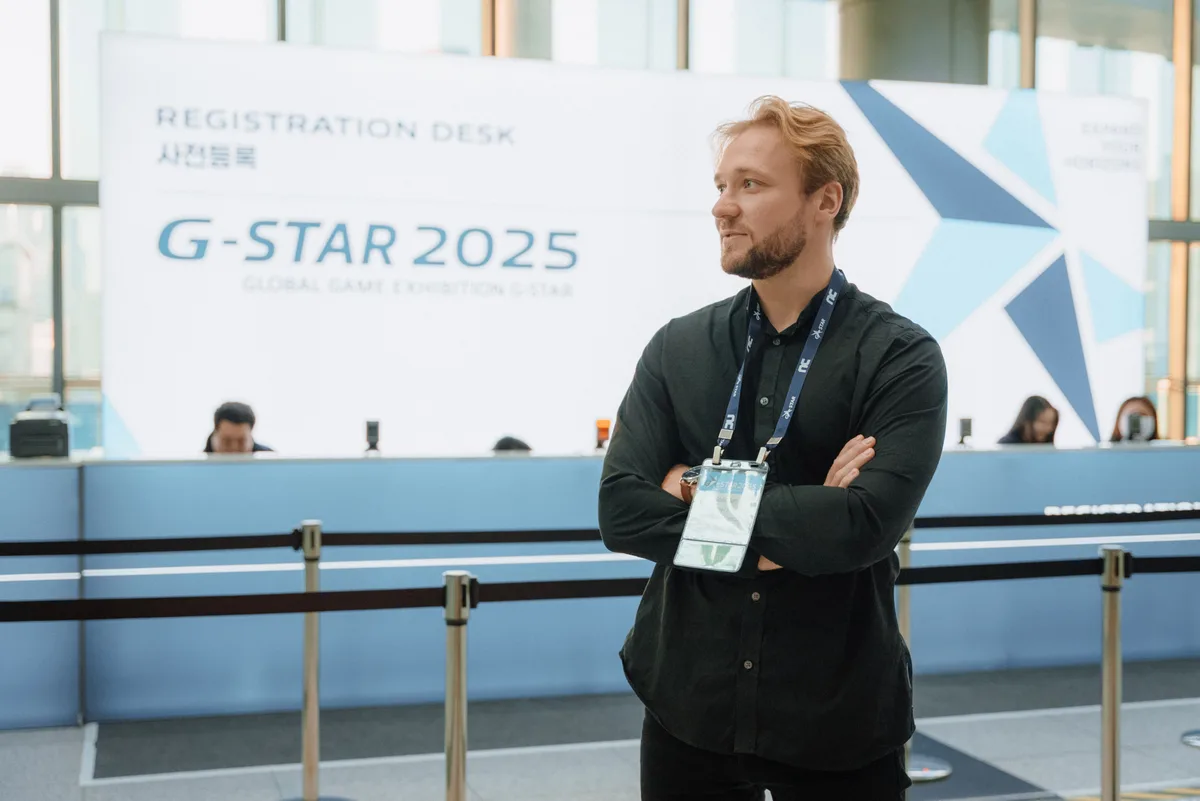
Francisk Hanchar
Founder, FogLine Visuals
Francisk Hanchar is the founder of FogLine Visuals, a video production company in San Francisco. He produces video podcasts, launch videos and event coverage for startups, and hosts The Bay Signal.
About FogLine