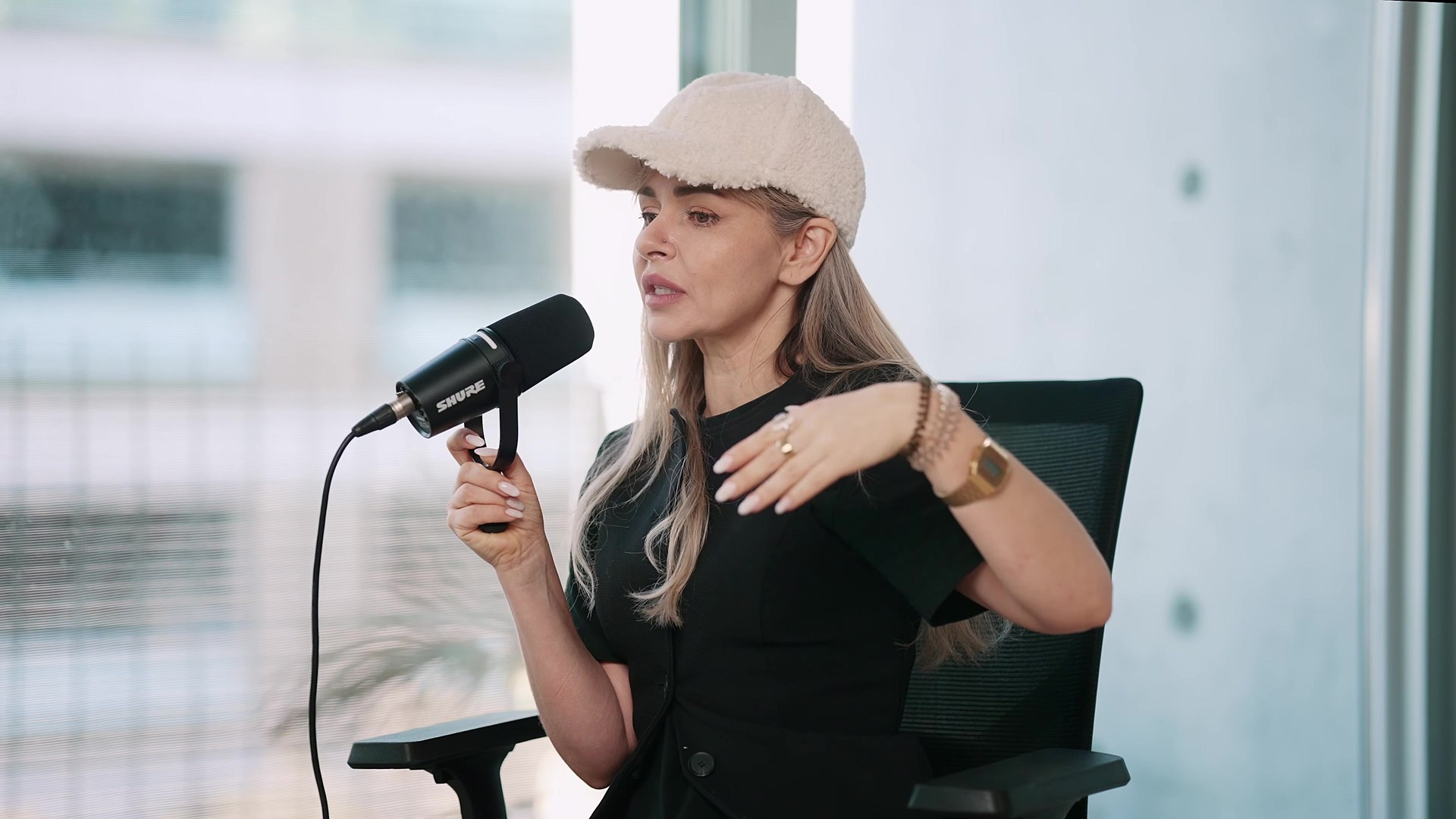
FogLine Visuals is a video production company in San Francisco with its own podcast studio at 855 Folsom St in SoMa. The Bay Signal is our own founder podcast, and this episode is a 55-minute conversation between our founder, Francisk Hanchar, and voice coach Juliana Andreeva, the creator of the Voice Biohacking Method. We recorded it in the studio's daytime setup by the windows with three cameras, handheld Shure microphones and studio lighting. The episode ends with a live vocal performance recorded on the same set.
At a glance
- Show
- The Bay Signal, FogLine's own founder video podcast (Built in the Fog series)
- Guest
- Juliana Andreeva, voice coach and creator of the Voice Biohacking Method
- Host
- Francisk Hanchar, founder of FogLine Visuals
- Location
- FogLine Visuals podcast studio, 855 Folsom St, SoMa, San Francisco
- Setup
- daytime look by the windows
- Cameras
- three
- Sound
- handheld Shure dynamic microphones for both speakers
- Lighting
- studio lights balanced with window daylight
- Episode length
- 55 minutes 9 seconds
- Delivered
- full episode with a cold open, 17 chapters and a custom thumbnail
About the guest
Juliana Andreeva is a voice coach who works with founders, CEOs and executive teams in the Bay Area. She is the founder and CEO of Voice Biohacking and the author of the Voice Biohacking Method, which treats the voice as a product of the nervous system and trains people for high-pressure speaking: pitches, stage talks and investor meetings.
- Graduate of the Saint Petersburg State Conservatory named after N. A. Rimsky-Korsakov
- More than 15 years of work in vocal therapy and voice coaching
- Founder of an international online vocal school with students from 16 countries
- Speaker at tech and biohacking conferences
- Co-wrote songs for an album by tech founder Andrey Doronichev, and has worked on music with creator Marina Mogilko (Silicon Valley Girl)
The studio's daytime setup
Our studio at 855 Folsom St has two main looks: a bright daytime setup by the windows and a warmer evening setup with lamps. For this episode we used the daytime corner. Window light falls softly on the guest, the city stays out of focus behind her, and studio lights fill in the faces so the picture stays even through a long conversation. You can compare both looks on the studio page.
Three cameras
Three cameras let the edit move between a wider shot and close-ups of each speaker. For a 55-minute episode that matters: viewers stay with long answers more easily when the picture changes with the conversation, and every close-up can be cropped to a clean vertical frame for Shorts.
Why handheld microphones
We knew the episode would end with Juliana singing, so both speakers used handheld Shure dynamic microphones instead of mics on stands. A handheld dynamic mic stays close to the voice and picks up little of the room, and it let Juliana move from talking to singing without anything on set changing. When she started the performance, the cameras and sound were already where they needed to be.
The live performance
The last part of the episode is a two-minute vocal freestyle, recorded live on the same set. We then ran the recording through the AI music tool Suno and played the AI version back on camera, so viewers hear both. Any guest who wants to sing, play an instrument or demo a product can do it on the same setup, as long as we know in advance.
What we delivered
- The full 55-minute episode on YouTube
- A 20-second cold open that cuts three of Juliana's strongest lines together before the introduction
- 17 chapters, so viewers can jump to the part they care about
- A custom thumbnail
Planning a podcast at our SoMa studio
- Pick the look first: daytime by the windows reads open and calm, the evening setup reads warmer and more intimate.
- Tell us about anything unusual in advance, such as singing, a demo or a product on the table, so the set is ready before the guest arrives.
- You only need to bring yourself and the topic. Cameras, sound, lighting and a teleprompter are already set up, and we handle the edit.
FAQ
See how our video podcast production in San Francisco works, take a look at our podcast studio in SoMa, or tell us about your show.
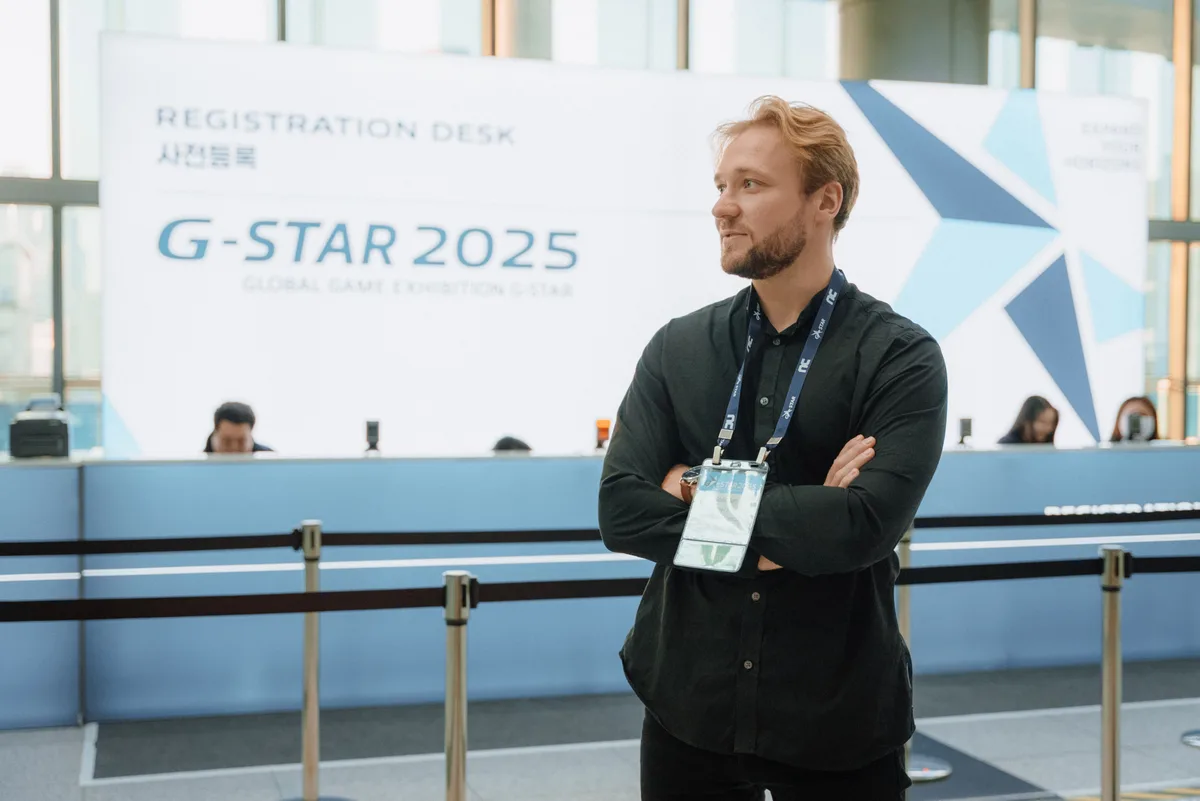
Francisk Hanchar
Founder, FogLine Visuals
Francisk Hanchar is the founder of FogLine Visuals, a video production company in San Francisco. He produces video podcasts, launch videos and event coverage for startups, and hosts The Bay Signal.
About FogLine