Back to Blog
March 8, 20266 min readFogLine Visuals Team

Behind the Scenes: A Day in the Life of a San Francisco Videographer

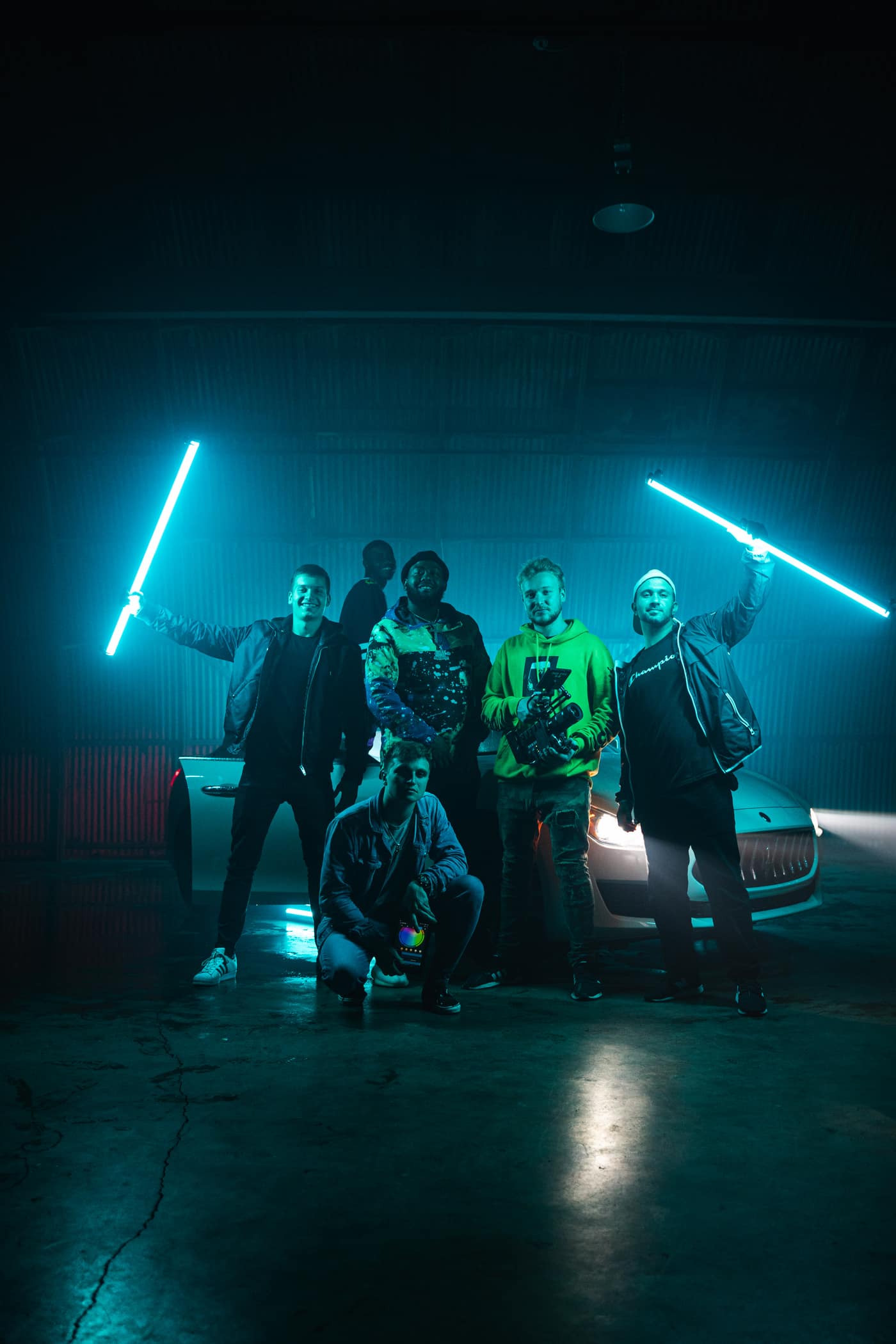
Follow along on a typical production day with the FogLine Visuals team as we film across San Francisco's iconic locations and creative spaces.

Behind the Scenes: A Day in the Life of a San Francisco Videographer

People often ask what a typical day looks like for a San Francisco videographer. The truth is, no two days are exactly alike—which is part of what makes this work so exciting. But there are patterns, rituals, and challenges that define the rhythm of production life in the Bay Area.

Today, we're pulling back the curtain on a typical production day with the FogLine Visuals team. Follow along as we navigate the unique joys and challenges of creating video content in one of the world's most beautiful and dynamic cities.

5:30 AM: The Early Start

The alarm goes off before sunrise. Today's call time is 7:30 AM for a brand video shoot at a startup's SoMa office, which means gear needs to be loaded and ready to roll by 7:00.

A production day starts the night before with meticulous preparation. Shot lists are reviewed, batteries are charged, and memory cards are formatted and ready. But the morning-of check is essential—this is when you catch the battery that didn't charge properly or the lens that needs a quick clean.

6:00 AM: Gear Check

The gear check follows a systematic routine. Every item gets verified against the packing list:

**Cameras**: Primary cinema camera, backup body, and a mirrorless for run-and-gun situations. Sensors are inspected for dust, and all settings are confirmed.

**Lenses**: A range covering 24mm to 200mm. Each lens is cleaned and caps are secured. In San Francisco's unpredictable weather, lens changes in the field need to be fast and confident.

**Audio**: Wireless lavalier kits, shotgun microphone with boom pole, audio recorder, batteries, and backup batteries. Audio failures are unrecoverable in post—redundancy is essential.

**Lighting**: LED panels, light stands, diffusion, and a small bounce kit. Even when shooting with natural light, having control over fill is crucial.

**Support**: Tripod, monopod, and a gimbal stabilizer for movement shots. The gimbal gets a balance check before leaving the studio.

**Accessories**: ND filters (essential for shooting in bright California sun), extra batteries, cables, gaffer tape, and a multi-tool. The small stuff saves shoots.

Everything gets loaded into cases and then into the van. A San Francisco production vehicle is part mobile studio, part urban assault vehicle—ready to handle tight parking, steep hills, and rapid location changes.

7:00 AM: On the Road

San Francisco traffic is its own character in every production. Leaving early accounts for the unpredictable: MUNI delays causing congestion, construction blocking key streets, or the inevitable search for loading zone parking in SoMa.

The drive is productive time—final review of the shot list, confirmation texts with the client, and mental preparation for the day ahead. Local radio provides traffic updates (still essential, even in the GPS era).

7:30 AM: Arrival and Setup

The SoMa office is a typical Bay Area startup space: open floor plan, exposed brick, natural light from large windows facing the street. It's photogenic but presents challenges—hard surfaces create audio reflections, and the window light will shift dramatically over the next few hours.

Setup begins immediately:

Scout the space to confirm planned shot locations still work

Identify power outlets and plan cable runs

Set up primary interview location with lighting and audio

Position bounce materials to control window light

Test audio levels in each location (that HVAC system is louder than expected)

The client arrives for final preparation. We walk through the day's schedule, review talking points, and address any last-minute questions. Making clients comfortable before cameras roll is as important as any technical consideration.

8:30 AM - 12:00 PM: The Morning Shoot

The camera finally rolls. Today's brand video includes founder interviews, team B-roll, and product demonstrations.

**Interviews** come first while energy is high and the office is relatively quiet. We capture the founder's story—why she started the company, what problem they're solving, and where they're headed. Multiple takes ensure options in editing, and follow-up questions draw out authentic moments beyond prepared talking points.

**Team B-roll** captures the company culture in action: collaborative conversations, focused work at standing desks, a team meeting in the glass-walled conference room. These shots require patience—waiting for natural moments rather than staged interactions.

**Product demonstrations** showcase the software in action. Screen capture happens separately, but showing real users engaging with the product provides essential human context.

By noon, the indoor shoot wraps. Hard drives are verified—never leave a location without confirmed backup—and the team begins load-out.

12:30 PM: Lunch Break Near Embarcadero

Lunch is strategic. The Embarcadero location positions us for the afternoon's B-roll while providing a mental break from the intensity of the morning. A quick meal, a walk along the waterfront, and review of footage on a laptop ensures the morning's work meets expectations.

This is also time for problem-solving. The morning revealed that one interview location had more background noise than anticipated. We discuss whether pickup audio is needed and adjust the afternoon schedule accordingly.

1:30 PM: Afternoon B-roll Around San Francisco

The afternoon is dedicated to capturing San Francisco itself. The brand video needs establishing shots and location footage that places this startup in the context of the city's innovation ecosystem.

**Mission District** first: colorful murals, street life, the energy of one of the city's most dynamic neighborhoods. Permit-free shooting means staying mobile, working quickly, and being respectful of the community.

**Ferry Building** provides waterfront context and architectural interest. The afternoon light creates beautiful shadows through the building's arched windows.

**Financial District** establishes the business context—gleaming towers and purposeful pedestrians.

**North Beach** for character—the neighborhood's European feel and independent spirit.

Throughout the afternoon, we're shooting with an eye toward flexibility. These shots might be used as full-screen backgrounds, as split-screen elements, or as brief transitions. Variety in framing, movement, and timing ensures options in the edit suite.

4:30 PM: Golden Hour at Golden Gate

The day's crown jewel: Golden Gate Bridge at golden hour. This iconic shot appears in countless San Francisco videos, and the challenge is capturing it with fresh eyes.

We position at Battery Spencer in the Marin Headlands, a viewpoint that offers the classic composition with the city skyline behind the bridge. The light is perfect—warm, directional, painting the bridge's international orange in deep amber tones.

Time-lapse captures the shifting light. Slow-motion telephoto shots compress the traffic into a flowing river of metal. Wide stabilizer moves establish the scale. For twenty minutes, it's pure cinema.

Then the fog rolls in—as it does—and suddenly the bridge is half-obscured in the mist that gives San Francisco its character. We keep shooting. Some of the best footage comes when plans change.

6:00 PM: Wrap and Backup

Back at the studio, the real work begins: securing the day's footage.

Memory cards are ingested to the primary edit workstation. While that transfer runs, we copy to a backup drive. Only when both copies are verified complete do we format cards for the next shoot.

Organization is critical:

Footage sorted by location and content type

Audio files matched to video clips

Notes added for the editor on standout moments and any issues

Proxy files generated for editing efficiency

This process isn't glamorous, but it's essential. A single drive failure without backup can erase an entire day's work.

What Makes San Francisco Unique for Video Production

After years of shooting in this city, certain truths emerge:

**The fog is a character**, not an obstacle. Learn to work with it, anticipate it, and embrace when it transforms your shot unexpectedly.

**The hills create challenges and opportunities**. That steep street isn't just hard to park on—it's a natural leading line in your composition.

**Light changes fast**. Between coastal fog, canyon-like downtown streets, and the angle of the sun, the same location looks completely different hour to hour.

**Permit requirements are real**. Commercial production in city parks and many public spaces requires permits. Plan ahead or risk shutdown.

**The neighborhoods are distinct**. The Mission doesn't look like the Marina doesn't look like the Sunset. San Francisco is many cities in one, and each brings its own visual identity.

Why Local Matters

There's a reason clients choose local San Francisco videographers over fly-in crews. We know which parking lots have all-day access. We know when the Embarcadero fills with lunchtime joggers. We know that MUNI construction will block Howard Street for the next six months.

More than logistics, we understand the city's visual language. We know the shots that feel authentically San Francisco versus the clichés that scream "tourist." We have relationships with locations, vendors, and fellow creatives built over years of working in this community.

When you work with FogLine Visuals, you're getting a team that doesn't just work in San Francisco—we live here, we love it here, and we bring that knowledge to every production.

Conclusion

A day in the life of a San Francisco videographer is long, demanding, and rarely predictable. It requires technical skill, creative vision, and the flexibility to adapt when the fog rolls in early or the perfect shot emerges from an unplanned moment.

But it's also deeply rewarding. There's nothing quite like capturing a founder's passion, a team's energy, or the city's beauty in a way that connects with audiences and moves businesses forward.

That's why we do this work. That's why we love this city. And that's what we bring to every project.

Curious about what a production day would look like for your business? Contact FogLine Visuals to discuss your video needs and see how we can bring your story to life across San Francisco's incredible canvas.

FL

FogLine Visuals Team

We're a San Francisco-based video production team helping Bay Area businesses create professional content that connects with their audience.

Ready to start your video project?

Let's talk about how FogLine Visuals can help your business create professional video content.